The Best Fitness Trackers (2026)
We compared nine trackers from Fitbit, Garmin, WHOOP, Oura and Amazfit, including the subscription costs most reviews gloss over, to find the right one for you.
We independently research every product. When you buy through our links, we may earn a commission. Learn more
The Verdict
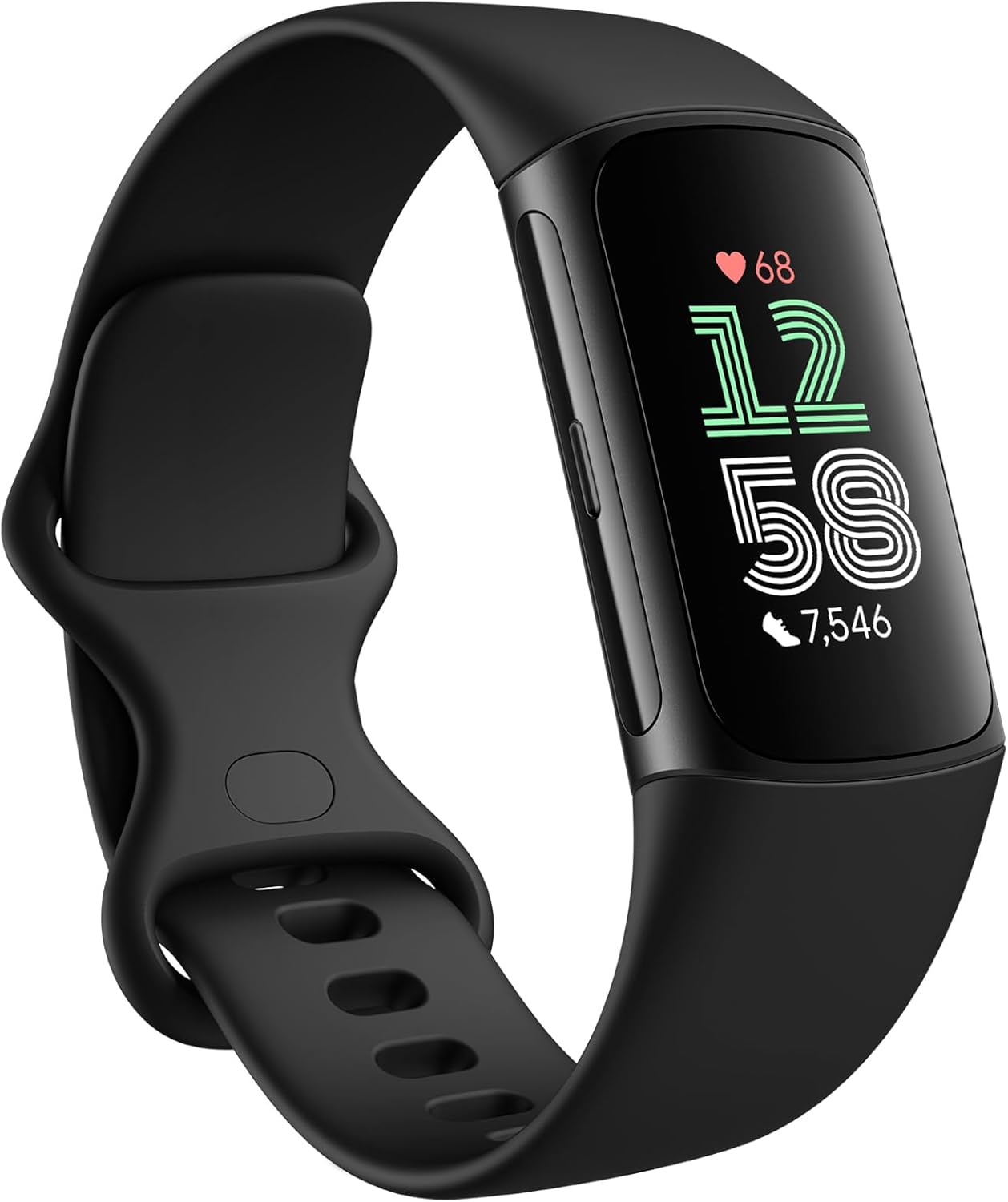
Google Fitbit Charge 6
A slim band with built-in GPS, Google Maps and Wallet on your wrist, and a week of battery life.
Check price on Amazon
Garmin vívoactive 6
A bright AMOLED watch with 80+ sports apps, Garmin's Body Battery energy score and up to 11 days of battery.
Check price on Amazon
Garmin Forerunner 165
Accurate GPS, adaptive training plans and up to 19 hours of GPS tracking in a light 43mm watch.
Check price on Amazon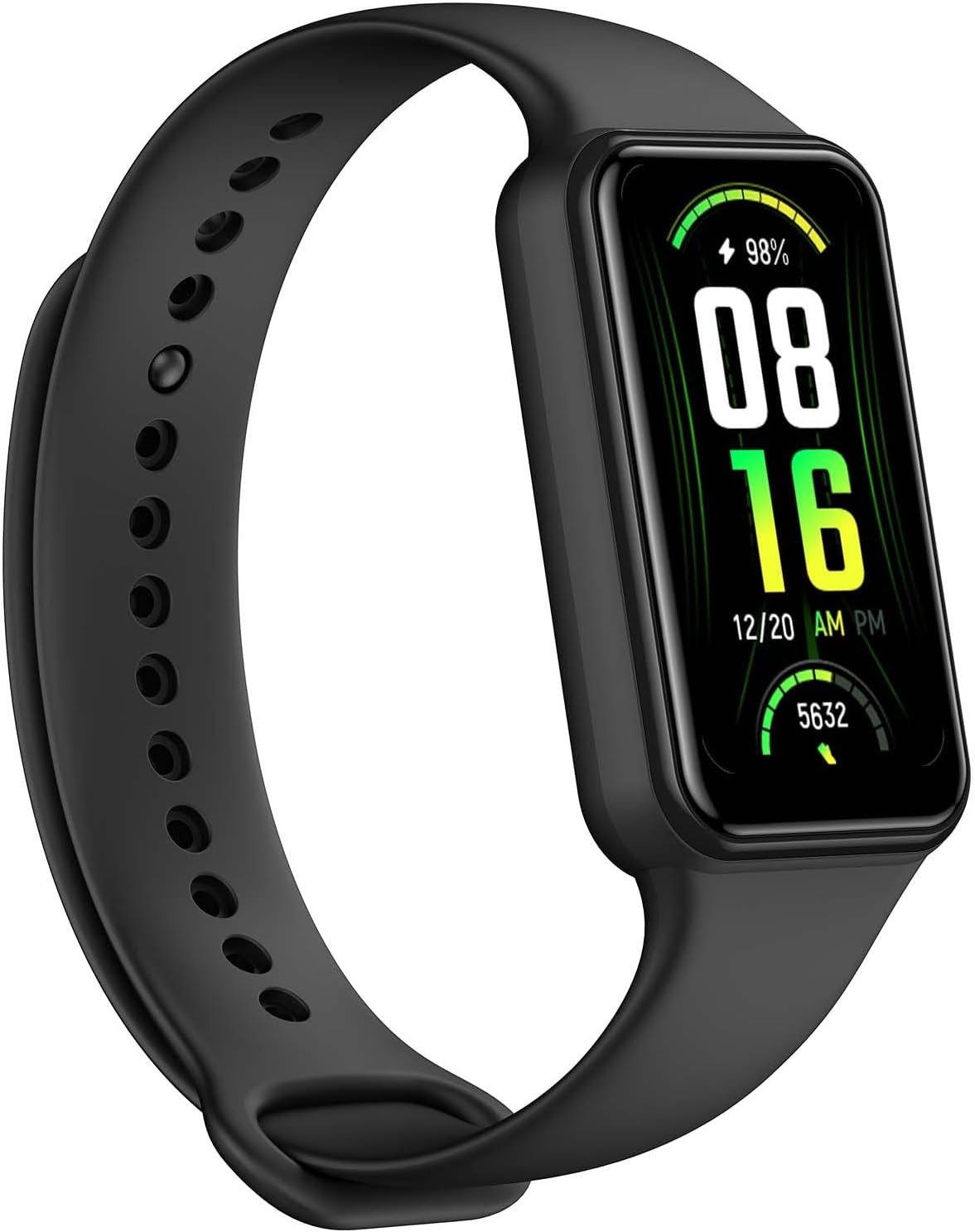
Amazfit Band 7
A big, bright AMOLED screen, up to 18 days of battery and a free app, for a fraction of the price.
Check price on Amazon
Google Fitbit Air
A tiny, comfortable pebble with no screen to distract you, and a five-minute charge that lasts a day.
Check price on Amazon
WHOOP 5.0 (12-month membership)
The recovery-obsessed screenless band. The device comes included with a year of membership.
Check price on Amazon
Oura Ring 5
Sleep, activity and recovery tracking in a titanium ring that looks like jewelry.
Check price on AmazonWe did the homework
We compared 9 products, considered real owner experiences over months of use, and checked manufacturer specs and warranties. No brand paid to be included, and we update this guide when better options come out. Our research process
Who this is for
A good fitness tracker nudges you to move more, sleep better and notice how your habits affect your energy. The right one depends less on features than on what you’ll actually wear every day, including to bed.
There are four kinds now: slim bands with a screen, smartwatch-style trackers, screenless bands that live in your phone app, and smart rings. Subscriptions have quietly become a big part of the real cost, so we call them out for every pick.
How we picked
We compared the most popular trackers from Fitbit, Garmin, WHOOP, Oura and Amazfit, weighing:
- Comfort and wearability, including for sleep.
- Battery life, both claimed and what owners report.
- Total cost of ownership: whether you need a subscription to get the good stuff.
- Accuracy patterns in owner feedback, especially for GPS, heart rate and sleep.
- Built-in GPS and coaching for people who run or train.
Google Fitbit Charge 6
Best for: Most people who want solid all-day tracking in a small, comfortable band, without wearing a full smartwatch.
Price range: $$$$
Check price on AmazonWhy it’s the pick
The Charge 6 packs a lot into a slim band. It has built-in GPS for runs and rides without your phone, 24/7 heart rate, sleep scores, 40+ exercise modes and automatic workout detection. Google's touches are genuinely useful: turn-by-turn directions from Google Maps, tap-to-pay with Google Wallet and YouTube Music controls.
A clever extra: it can broadcast your heart rate to compatible treadmills, ellipticals and bikes at the gym. Battery life is rated at up to 7 days, and it charges in about two hours.
Nitpicks
Fitbit's deeper coaching sits behind Google Health Premium, a separate subscription (a free trial is included). The basics work without it. Owners are split on long-term reliability, and the small screen is fine for stats but cramped for messages.
The good stuff
- Built-in GPS in a slim band
- Google Maps and Wallet on your wrist
- Shares heart rate with gym equipment
- About a week of battery
The catch
- Best coaching needs a subscription
- Small screen for notifications
Garmin vívoactive 6
Best for: People who want a real watch face and deep health data, without a monthly fee.
Price range: $$$$
Check price on AmazonWhy it’s the pick
The vívoactive 6 feels like a smartwatch but lasts like a fitness tracker: up to 11 days in smartwatch mode on a crisp AMOLED screen. Garmin's Body Battery score tells you when you're charged up or running on empty, using sleep, stress and workouts, and you get sleep coaching, HRV status, a morning report and a smart wake alarm.
With 80+ built-in sports apps, from running and swimming to golf and mobility, plus built-in GPS and daily suggested workouts, it covers almost any activity.
Nitpicks
It costs more than a band, and owner feedback is more mixed than for Garmin's Forerunner line. Its smart features, like apps and replies, are more limited than an Apple Watch or Galaxy Watch.
The good stuff
- Up to 11 days on AMOLED
- 80+ sports apps with built-in GPS
- Body Battery and sleep coaching
- No subscription needed for core features
The catch
- Pricier than a band
- Owner feedback more mixed than Forerunner
Garmin Forerunner 165
Best for: Anyone training for a 5K to a marathon who wants coaching without a coach.
Price range: $$$$
Check price on AmazonWhy it’s the pick
The Forerunner 165 is the most-loved watch in our research: owners consistently praise its accurate GPS and distance tracking and its battery life. You get up to 19 hours in GPS mode and 11 days as a smartwatch, plus an AMOLED touchscreen with real buttons that are easy to press mid-run.
Its brain is the coaching: daily suggested workouts that adapt to your recovery, Garmin Coach and race-specific training plans. After each run you see training effect and how long to recover. Incident detection can text your location to emergency contacts during select outdoor activities.
Nitpicks
It has fewer activity profiles than the vívoactive (25+ vs 80+), so it's less suited to golf or swimming-heavy routines. Owners typically see 4 to 6 days between charges with regular use, below the 11-day rating.
The good stuff
- Owners praise GPS accuracy
- Adaptive training plans
- Buttons plus touchscreen
- Up to 19 hours of GPS
The catch
- Fewer sports profiles
- Real-world battery below the rating
Amazfit Band 7
Best for: First-time trackers, teens, and anyone who wants the basics done well with no ongoing cost.
Price range: $$$$
Check price on AmazonWhy it’s the pick
The Band 7 is the value pick by a mile. Its 1.47" AMOLED screen is much bigger than most bands, and Amazfit rates the battery at up to 18 days (28 in saver mode). You get 24/7 heart rate, blood oxygen, sleep stages, stress and cycle tracking, plus 120 sports modes and Alexa built in.
Everything runs through Amazfit's Zepp app, with no subscription. Many owners say they prefer it to pricier Fitbits.
Nitpicks
There's no built-in GPS; it uses your phone's. Its app and accuracy aren't as polished as Fitbit's or Garmin's, and it's an older model, so check for a newer version before you buy.
The good stuff
- Large AMOLED screen
- Up to 18 days of battery
- Free app, no subscription
- Alexa built in
The catch
- No built-in GPS
- Less polished app and data
Google Fitbit Air
Best for: People who want health data without another screen, especially for sleep tracking.
Price range: $$$$
Check price on AmazonWhy it’s the pick
The Fitbit Air is Google's answer to screenless trackers like WHOOP. The sensor pebble weighs about 5 grams and pops in and out of bands, so it goes from bracelet to workout strap to sleep band in seconds. Owners love how light and comfortable it is.
Battery is rated at up to a week, and five minutes of fast charging gives you a day, so you'll rarely miss a night. All your data lives in the Google Health app.
Nitpicks
Without a screen, you need your phone to see anything. Owners are mixed on sleep-tracking accuracy, and the coaching features need Google Health Premium.
The good stuff
- Extremely light and comfortable
- No screen distractions
- Five-minute charge lasts a day
- Swappable bands
The catch
- Phone needed to see data
- Mixed sleep-accuracy reports
WHOOP 5.0 (12-month membership)
Best for: Athletes and data lovers who want daily recovery and strain scores, and don't mind a subscription.
Price range: $$$$
Check price on AmazonWhy it’s the pick
WHOOP works differently: you pay for a membership, and the band comes with it, along with a knit strap and a waterproof battery pack you can charge it with while you wear it. It tracks heart rate, HRV, respiratory rate, blood oxygen and skin temperature around the clock and turns them into recovery, strain and sleep guidance, now with an AI coach.
The 5.0 claims 14+ days of battery, and membership includes WHOOP's lifetime warranty. Memberships are also HSA/FSA eligible, according to WHOOP.
Nitpicks
It only works while you pay, so over a few years it's the priciest option here. Owners are split on accuracy, and there's no screen, so everything happens in the app.
The good stuff
- Deep recovery and strain insights
- 14+ day battery, charge while wearing
- Warranty included with membership
- Comfortable for sleep
The catch
- Membership required, every year
- Mixed accuracy reports
Oura Ring 5
Best for: People who won't wear anything on their wrist, especially to bed.
Price range: $$$$
Check price on AmazonWhy it’s the pick
If you've ever taken a tracker off because it bothered you at night, a ring is the answer. Oura Ring 5 is 40% smaller than the last generation, made of scratch-resistant titanium, and owners say it's comfortable enough to forget and looks like a simple band.
It tracks 50+ metrics across sleep, activity, stress and heart health, and syncs with apps like Strava and Natural Cycles. Owners typically get 4 to 5 days per charge, and it's water resistant to 100 m.
Nitpicks
A monthly membership is needed after the first month to see most insights. Sizing is unique: you must use Oura's sizing kit first, because regular ring sizes don't match. Its overall owner ratings are lower than its glowing comfort reviews suggest, so buy where returns are easy.
The good stuff
- Most comfortable for sleep
- Looks like jewelry
- Titanium and water resistant to 100 m
- Syncs with 40+ apps
The catch
- Membership needed after month one
- Must use the sizing kit first
The spec sheet
| Spec | Best overall Google Fitbit Charge 6 | Best smartwatch-style tracker Garmin vívoactive 6 | Best for runners Garmin Forerunner 165 | Best budget Amazfit Band 7 | Best screenless Google Fitbit Air | Best for recovery data WHOOP 5.0 (12-month membership) | Best smart ring Oura Ring 5 |
|---|---|---|---|---|---|---|---|
| Type | Band with screen | Smartwatch | Running watch | Band with screen | Screenless band | Screenless band | Smart ring |
| Display | Color touchscreen | 1.2" AMOLED | 1.2" AMOLED | 1.47" AMOLED | None | None | None |
| Built-in GPS | Yes | Yes | Yes (up to 19 hrs) | No (uses phone) | No (uses phone) | Not listed | No |
| Claimed battery | Up to 7 days | Up to 11 days | Up to 11 days | Up to 18 days | Up to 7 days | 14+ days | Up to 6 days |
| Water resistance | 50 m | 50 m | 50 m | 50 m | 50 m | IP68 | 100 m |
| Subscription | Optional | Not required | Not required | Not required | Optional | Required | Required |
| Price range | $$ | $$$$ | $$$ | $ | $$ | $$$ | $$$$ |
| Check price on Amazon | Check price on Amazon | Check price on Amazon | Check price on Amazon | Check price on Amazon | Check price on Amazon | Check price on Amazon |
Specs are from the manufacturers. Prices change often, so check the retailer for today’s price.
Didn’t make the cut
- Google Fitbit Inspire 3: A cheap, tiny Fitbit with a 10-day battery, but owner feedback on durability and step accuracy is notably mixed, and the Amazfit Band 7 gives you a much bigger screen for similar money.
- Amazfit Helio Strap: A screenless WHOOP alternative with a free app and 10-day battery that owners like, but it works best paired with an Amazfit watch. A good pick if you hate subscriptions.
Questions we get
Do fitness trackers need a subscription?
It depends on the brand. Garmin and Amazfit work fully without one. Fitbit's basics are free but its best coaching needs Google Health Premium. WHOOP and Oura need a paid membership to be useful. Add that ongoing cost before you compare prices.
Band, watch or ring, which should I get?
Get a band if you want small and simple, a watch if you want a readable screen and built-in GPS for running, a screenless band if you hate distractions, and a ring if comfort during sleep matters most.
How accurate are fitness trackers?
Steps and resting heart rate are generally reliable. Calories, sleep stages and readings during intense exercise are estimates. Use trends over weeks rather than any single number, and don't use a tracker as a medical device.
Do I need built-in GPS?
Only if you run, walk or cycle outside without your phone and want accurate distance and pace. Otherwise, trackers can borrow your phone's GPS.